

Found cat poop stuck to your cat’s bum? This is a rite of passage for every new cat owner, so don’t worry! In this article we’ll walk you through the different variations of this common problem, how you can solve it, and how to prevent it in the future.
Cat poop stuck on bum hair: causes
This is known as fecal mat, or pseudocoprostasis in medical terms. Fecal mat is most common in longhair cats as their furry bums are prone to soiling, and this can be painful for them just like any other matting on their bodies. If left untreated, fecal mat can lead to obstruction of the anus and infestation with maggots.
Cat poop stuck on bum hair: treatment
If the matted area is small enough, first try combing the hair gently to see if it can be combed away. You can also wipe with a pet-safe wet wipe or warm water. This is sometimes enough to remove the stuck bit of poop.
If the fecal matting is larger or more severe, you’ll need to shave it off. We recommend doing this yourself only if you can safely restrain the cat and only if you have electric clippers (using scissors is very risky and you may injure yourself or your cat). Otherwise, take it to a professional cat groomer.

Cat poop stuck on anus: causes
If you’re seeing bits of cat poop on or immediately around its bum hole, this is usually caused by poop that’s too dry and/or sticky. This will be quite noticeable on shorthair cats – we spotted this issue immediately when it happened on our black cat’s normally nice pink bumhole! If you have medium-hair or longhair cats, though, make sure to inspect your cat’s butt regularly.
A raw food diet. It’s believed that this cat-poop stuck-on-bum can occur more frequently if you’re feeding your cat a raw food diet (our cat’s diet is 50% raw). Raw food tends to result in poop that’s dry, compact, and less smelly, and this is a major selling point besides its great nutrient profile. However, this means your cat might get constipated and/or have difficulty passing stool.
Obesity. If your cat is too fat, it will struggle to reach its bum when grooming itself and fragments of feces can accumulate around the anus. This is just one of the numerous ways obesity can negatively impact your cat’s health and quality of life.
Illness. Another reason your cat might not be grooming itself as fastidiously is illness. If your cat’s coat is getting greasy/dirty and it’s also eating and playing less, it might be time for a trip to the vet. Cats are adept at hiding their pain and taking them for a check-up could help you catch their health problems early.

Cat poop stuck on anus: treatment
Wipe with warm water and/or oil. The first thing to try when you spot poop on your cat’s bum is to, naturally, wipe it off. You can dampen a paper towel with warm (not hot!) water and wipe its bum to see if the poop will come off. In our experience, this only works if the poop is still relatively fresh.
If the poop is dried and won’t budge, try wiping your cat’s bum with oil instead. Oil will help to moisten your cat’s bum and the poop, allowing it to come off more easily. Even though the poop won’t dislodge immediately, this method worked best for us – after a day or two of daily wiping, our cat’s butt was clean again!
Vegetable oils like olive oil, coconut oil, and sunflower oil are safe options for wiping (it’s likely that your cat will ingest some oil as it grooms itself). Never use essential oils, as they are toxic to cats.
Give your cat a bath. If wiping with either water or oil isn’t working, you can try giving your cat a partial bath by lowering its rear end into warm water. However, we don’t recommend this if your cat hates baths or if its bum appears red and irritated.
Regardless of which method you try, never try to scrub or pull off the dried poop from your cat’s bum! The skin around your cat’s anus is very sensitive and doing so could lead to injury or, worse still, infection.
Cat poop stuck in anus: causes
If your cat’s poop is stuck partially out or dangling from its bum, this could mean that it’s having trouble evacuating fully or that it’s rushing to leave the litter box.
Sticky poop. Some cat foods may result in stickier poop. Watch out for filler ingredients like meat meal, corn, soy, or large amounts of oil and fat. Sticky stool is also a sign of poor digestion and could indicate a food intolerance or a lack of “good” bacteria in the gut.
Your cat dislikes its litterbox. If your cat constantly hesitates to enter her litterbox and then rushes out like a banshee, it’s a sign her toilet conditions aren’t ideal. This could mean you need to clean the litter box more frequently, change its location, switch to a different brand/type of litter, or even try a different type of litterbox.
Cat poop stuck in anus: treatment
In this situation, the best course of action is to wait it out until your cat makes another visit to the litter box or grooms herself. Do not attempt to pull any stool off yourself — it will hurt your cat.
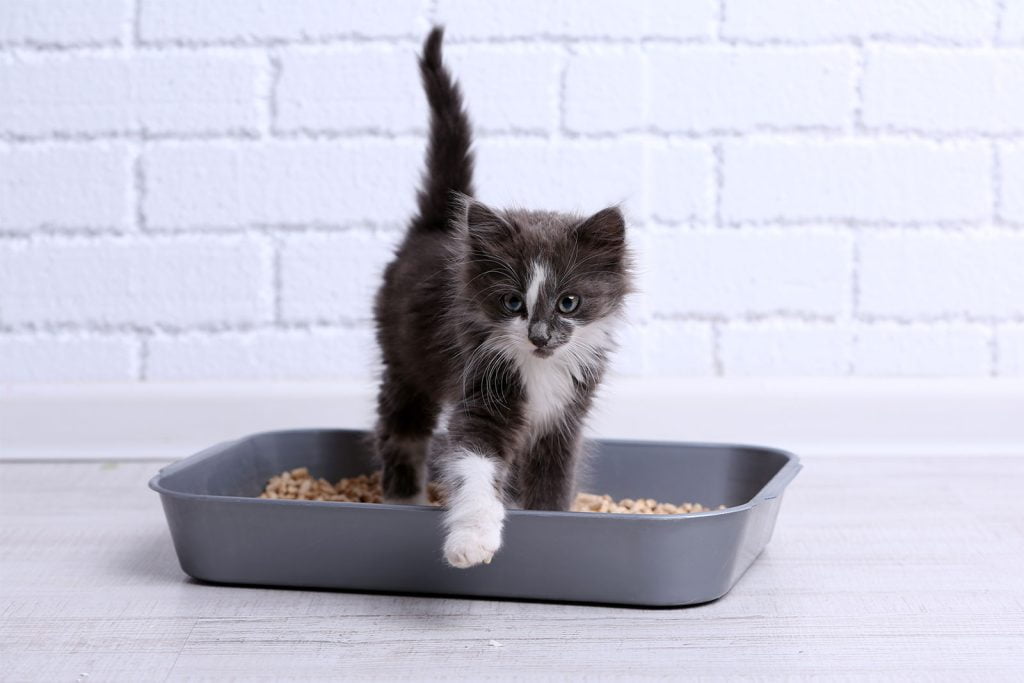
Preventing cat poop from getting stuck
Tweak your cat’s diet. If your cat’s poop is too dry, consider giving it foods with more fiber. Pumpkin is commonly given to cats with constipation. If your cat’s poop is too soft or sticky, it may not be tolerating the food well—consider switching to a different brand of cat food.
Help obese cats to lose weight. If your cat needs to lose weight, make sure you consult your vet to get a suitable weight loss diet plan. This is because cats cannot lose too much weight in a short time.
Groom your cat regularly. If you have longhair cats, grooming your cat more often can help to prevent issues with cat poop in their fur. If your cat is good-natured enough, you may even want to consider investing in a cat grooming kit so you can trim their bum hair at home and minimize the groomer visits.
Change the litter or litter box. If you’re already cleaning the litter box regularly but your cat still meows with disdain with each use, consider changing to a different brand of litter or moving the litterbox to a more private location. You might even want to try a different style of litter box.
When to visit a veterinarian
Frequent scooting: This could mean that your cat’s anal glands are blocked or infected.
Redness and inflammation: This can further discourage your cat from pooping and the true cause should be diagnosed by a vet.
Constipation for longer than 48 hours: Even if your cat is peeing normally, see a vet if he has not had a bowel movement for more than two days.
Straining and crying in the litterbox: This is a sure sign of urinary or colon trouble.
Diarrhea: Prolonged diarrhea can lead to dehydration, which needs to be treated with fluids before it progresses into life-threatening complications.
