
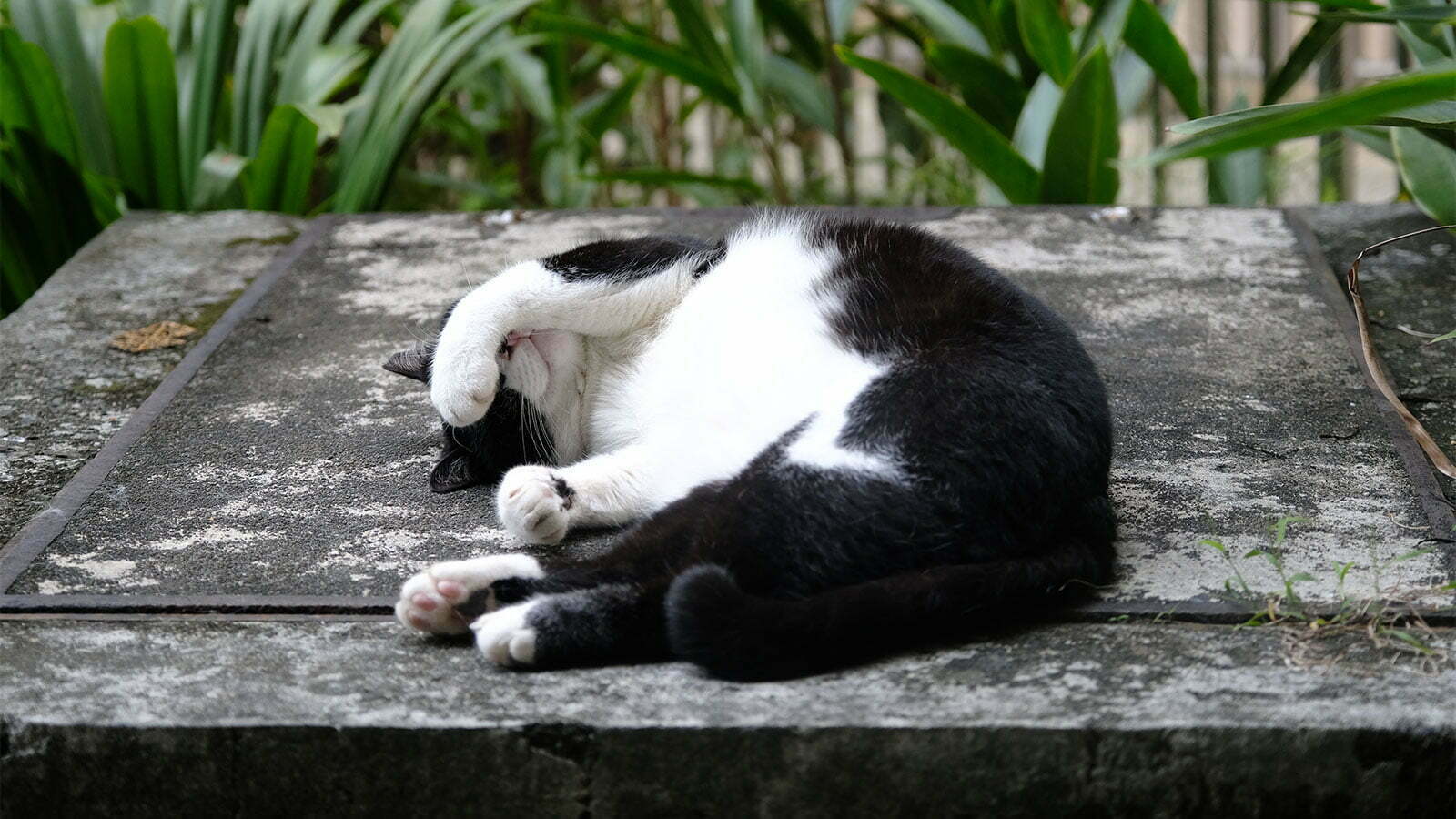
Cats are often portrayed as aloof, standoffish creatures. While some cats don’t need a lot of attention from their owners, they do still need physical and mental stimulation. Otherwise, your bored cat can start displaying unwanted behaviors in a bid to get your attention or entertain themselves. In this article we’ll explore the signs of feline boredom so you can prevent any problems before they start.
1. They meow more than usual.
Excessive meowing or vocalization is typically the first sign your cat is bored. Cats use meows to communicate with humans, especially as a way of getting what they want or need (like food and scratches!)
If your cat is constantly following you around and meowing loudly, but is healthy (eating and using the litterbox normally), it could be telling you “the litterbox is dirty”, “the food is cold”, or simply… “I’m bored, play with me more.” Another clue is if your cat constantly stares at you or rubs itself against you: that means they want entertainment!
2. They’re withdrawn, sleeping more, and less enthusiastic about food.
Cats usually sleep for around 16 hours a day, so any longer could be a sign that your cat hasn’t got anything to entertain them. It may also seem withdrawn or behave oddly. If your cat is sitting and staring at walls, doors or windows for long periods of time, perhaps it’s time to give them more attention.
Your bored cat may also show less interest in food and eat less at mealtimes, which makes sense since they’re less physically and mentally active.
3. They’re over-grooming themselves.
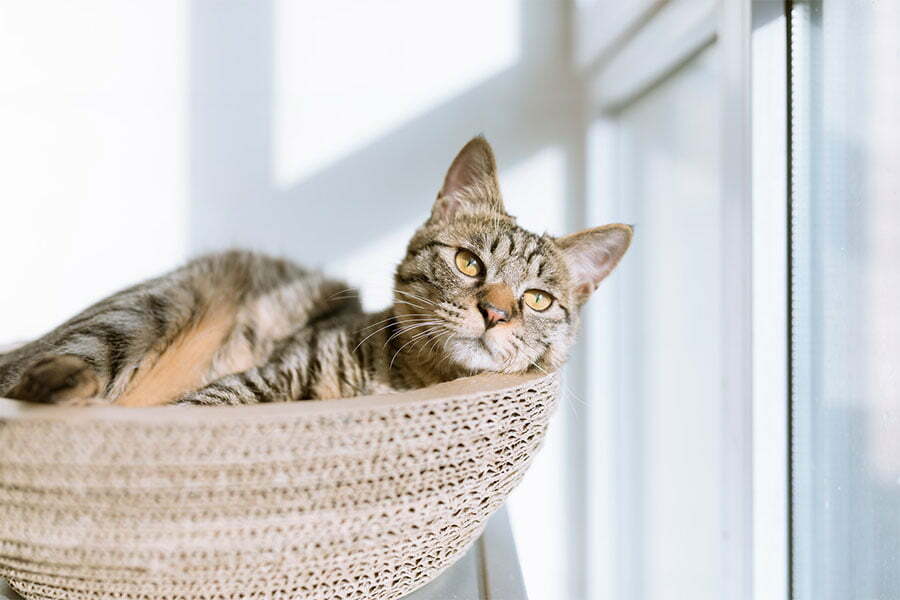
Is your cat licking itself excessively to the point of getting bald spots? Cats spend a large amount of time cleaning themselves, and grooming is also a self-soothing behavior for cats as it produces endorphins. However, cats often over-groom themselves to cope with stress or boredom (much like how some people chew their nails or pull their hair).
If you’ve taken your cat to the vet for over-grooming issues and gotten a clean bill of health, it’s likely that your cat is bored and needs more environmental enrichment.
4. They start misbehaving.
Cats are not that different from children: even the most well-trained, well-behaved cat will start being a menace if you simply aren’t giving them enough environmental enrichment. Some examples include:
- “Hunting” your feet and nipping at your ankles
- Playing with things they’ve been trained to avoid: chewing electrical cords, scratching furniture, knocking things off shelves and tables, or going to forbidden areas
- More frequent and intense zoomies
A bored cat will inevitably find themselves in places it doesn’t belong, looking for something interesting to do. Sometimes this might be because it’s hungry or sick, but it’s otherwise a sign that you need to provide more stimulation for them.
While popular culture likes to portray cats as our scheming, demanding overlords, the reality is that cats act in response to their environment. If your cat is suddenly playing more aggressively or scratching up your furniture, they might need something to do other than plop down in front of the TV or play with the same old toys all day long.
So…how can you reduce boredom in cats?
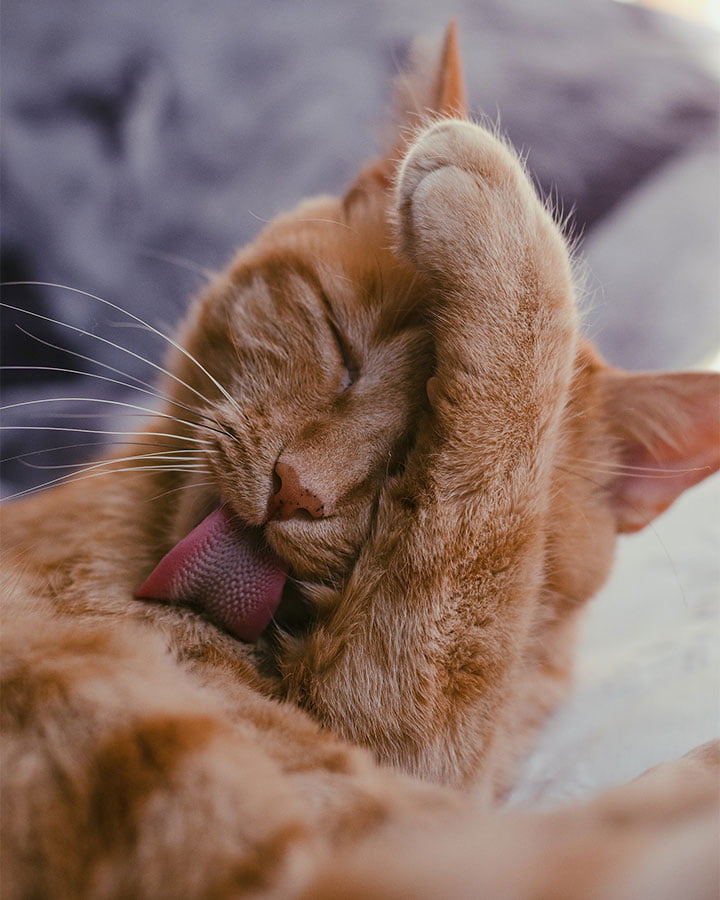
Boredom in cats is more common than most people think. Cats are intelligent animals who need mental stimulation just as much as physical activity. Here’s how to provide more daily enrichment for your cats:
Play with them more
Feline behavior experts recommend that cats get at least 30 minutes of interactive play each day – that means with you or another cat, not just with independent play cat toys. Try doing 15-minute sessions twice a day, ideally before feeding time to boost your cat’s appetite.
Playtime is meant to replace cats’ natural instinct to hunt, so give your cat ample opportunity to stalk, tackle, and destroy something. Smart cats aren’t stimulated by unrealistic toys like clockwork mice. For instance, ours prefers batting our pens around because they’ve seen us “playing” with it (writing).
Use a wand toy and mimic an actual bird or mouse movement: twitching, flitting, scurrying, and hiding. Swap out different sets of toys from time to time. But most importantly, give them lots of praise and treats to reward their successful “hunts”!
Give your cat a challenge
Seen this cat owner’s popular TikTok videos of their cat navigating various obstacles? Try creating an obstacle course with boxes and toys to see if that’s something they’re interested in. If your cat doesn’t seem to care, try placing treats in strategic spots to encourage them. You can also challenge your cat simply by putting its food in a different place every day or hiding the food in specialized toys.
Another way to challenge your cat is to give it more places to climb and scratch, as cats feel more secure in high-up places. Instead of simply buying a cat tower or resigning yourself to shredded curtains, you can build your own scratching poles, climbing pads, or shelf catwalks to. This “catifying” of your home is sure to delight your kitty!
Get your cat a companion
The advice from shelters, cat rescuers, and veterinary professionals is true: two cats are better than one. Cats communicate in their own language that humans cannot understand, and socializing with other cats is how kittens learn appropriate feline behavior.
Beware, though: Unless you’re adopting littermates or bonded pairs, cats need to be be properly introduced to each other over the course of several days—and some cats simply won’t tolerate having another cat around, preferring to be the only “child”. Learn more about things to know before adopting a cat.
Show your cat the outside world
While it’s best to keep cats indoors to protect them from predators like coyotes and man-made dangers like cars (while also preventing them from impacting local ecosystems), cats benefit greatly from experiencing the outdoors.
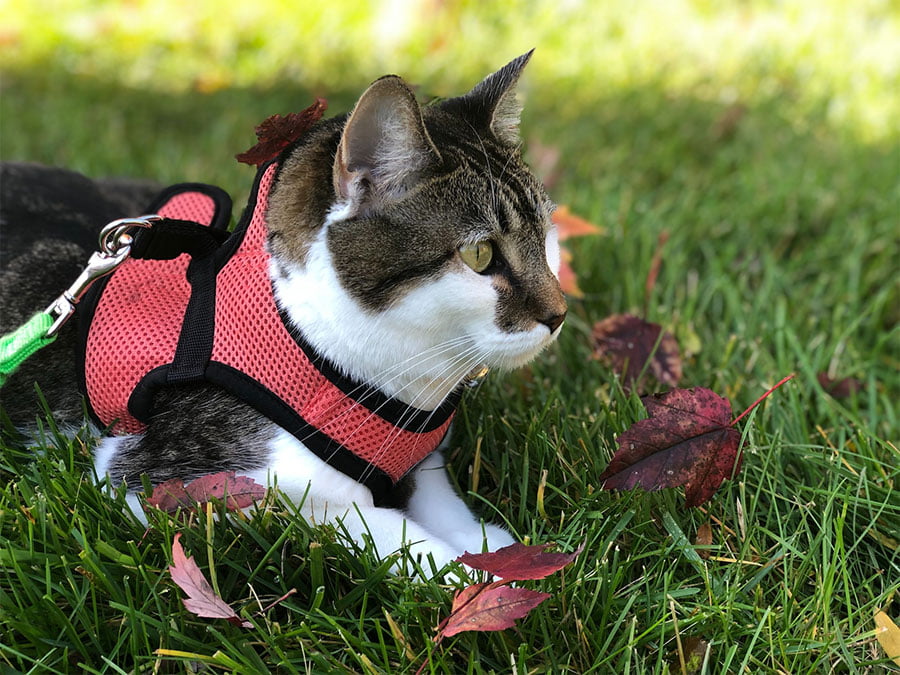
One way to do this is to walk your cat—yes, it’s possible! Cats can be trained to wear a harness and walk on a leash. This way, you can safely take them on adventures and give them a way to let off excess energy. Discover tips on leash-training your cat.
Another option is to give your cat a nice spot by the window with a comfy cat bed or window hammock. Cats love watching birds and other animals move around outside their territory. They’ll often take naps right alongside their favorite window so they have easy access to all the action happening outside.
Even better, create a meshed/netted balcony or catio if you have the space. This way, your cat can enjoy the fresh outdoor air, stalk birds, and bask in the sun whenever it wants.
A happy cat is a healthy cat
Cats are intelligent and curious, and they need physical and mental stimulation to be happy and healthy. If a cat doesn’t get enough opportunities to use its mind on a daily basis (playing with toys, solving problems, hunting insects), it can grow bored and unhappy.
Give them plenty of new experiences while in the comfort of their own territory, and watch them become brighter, more active, and more affectionate towards you!
